
The Enduring Allure of the Quiz: A Journey Through the History of Trivia
Have you ever found yourself shouting an answer at the television during a game show? Or perhaps you've felt the thrill of knowing an obscure fact at a local pub quiz. The love for trivia is a shared human experience, connecting us through the joy of knowledge, competition, and community. But where did this fascination with random facts and figures begin? Let's explore the rich history of trivia quizzes, from their humble origins to their modern digital forms.
From Ancient Riddles to Parlor Games
The concept of testing knowledge is as old as education itself. Ancient civilizations used riddles and oral examinations to pass down wisdom and assess learning. However, the idea of trivia as a form of entertainment for its own sake is a more recent development. The term "trivia" itself comes from the Latin "trivialis," meaning "found everywhere" or "commonplace," referring to the triple crossroads where people would meet and exchange common knowledge.
In the 19th and early 20th centuries, parlor games became a popular form of household entertainment. These games often involved wordplay, memory challenges, and tests of general knowledge, laying the groundwork for the modern quiz. Newspapers and magazines also began to feature puzzles and question-and-answer columns, further embedding this form of entertainment into daily life.
The Rise of Organized Quizzing
The 1930s and 1940s marked a significant turning point with the arrival of radio quiz shows. Programs like Professor Quiz and Dr. I.Q. captivated audiences, turning knowledge into a public spectacle. For the first time, people could listen in as contestants competed for cash and prizes, making trivia a mainstream phenomenon.
This trend exploded with the advent of television. Game shows like Jeopardy! (which first aired in 1964) and Who Wants to Be a Millionaire? brought a new level of drama and excitement to the format. They transformed trivia from a simple pastime into a high-stakes event, creating national celebrities and cementing the quiz show as a television staple. These programs demonstrated that trivia could be both educational and incredibly entertaining.
Taking Trivia to the Pubs and Parties
While television brought trivia to the masses, another format was brewing in local communities. The pub quiz, first established in the UK in the 1970s, offered a more social and interactive experience. Teams of friends would gather to test their collective knowledge over drinks, fostering a sense of camaraderie and friendly competition. This format quickly spread across the globe, becoming a beloved weekly tradition for many.
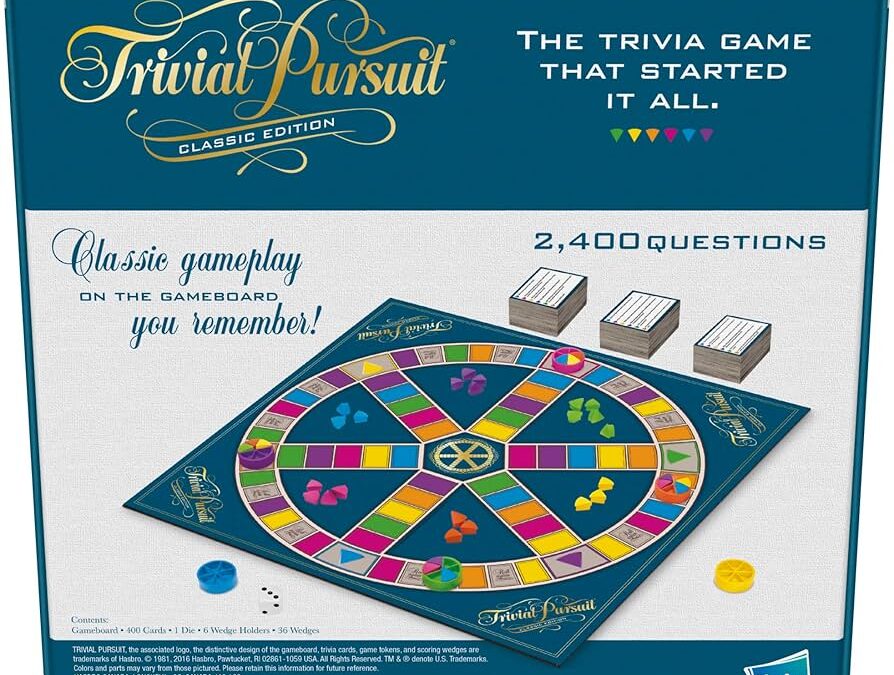
Around the same time, board games like Trivial Pursuit, launched in the early 1980s, brought the quiz experience directly into our homes. The game's iconic circular board and colored wedges became a symbol of social gatherings, proving that a good trivia challenge was the perfect ingredient for a fun night with family and friends.
The Digital Revolution and the Future of Trivia
The internet and mobile technology have once again transformed the landscape of trivia. Today, countless websites and apps offer instant access to quizzes on any topic imaginable. Online games like QuizUp allowed players from around the world to compete in real-time, while apps like HQ Trivia briefly created a viral sensation with live, appointment-based games.
These digital platforms have made trivia more accessible than ever. They serve not only as a source of entertainment but also as a tool for learning and social connection in a digital age. You can challenge friends on social media, join a virtual quiz night with colleagues, or simply test your own knowledge on your daily commute.
Why We Still Love Trivia
The enduring popularity of trivia quizzes lies in their unique ability to combine entertainment, education, and social interaction. They satisfy our natural curiosity and provide a rewarding sense of achievement when we recall a forgotten fact. They offer a structured way to engage with others, whether they are teammates in a pub or competitors on a global leaderboard.
From ancient riddles to AI-powered apps, the format has continually evolved, but its core appeal remains the same. Trivia celebrates knowledge in all its forms, proving that learning can be a lifelong source of joy and connection. As we look to the future, we can expect trivia to continue adapting, integrating new technologies like virtual reality and interactive streaming, but its place in our culture is secure. After all, the simple pleasure of knowing the right answer is a timeless thrill.